

Intimate wellness is a rapidly growing sector of the personal care industry, with the global intimate hygiene market projected to reach significant valuations in the coming years. Industry reports indicate that consumer demand is shifting toward natural, pH-balanced solutions that support the body's inherent microbiome rather than disrupting it. Understanding the biological mechanisms behind intimate flavor allows for more effective, confidence-building choices that prioritize both health and sensory experience. (Contact Sweet Spot amp)
Understanding the Biology of Intimate Flavor
Before exploring external interventions, it is crucial to understand the internal environment. Vaginal pH is a measure of acidity that typically ranges between 3.8 and 4.5 in healthy, reproductive-age women. This acidic environment is maintained by lactobacilli, beneficial bacteria that protect against pathogens. When this balance is disrupted, the resulting chemical composition can alter taste and odor.
Many people assume that a "sweet" taste is the only desirable outcome, but biological reality is more nuanced. The taste is influenced by sweat glands, mucus production, and the natural discharge of cells. According to medical experts at Healthline, maintaining this delicate pH balance is the single most important factor in ensuring a neutral, fresh, and pleasant intimate experience. Attempting to force a sweet taste through harsh chemicals can actually damage the mucosal lining and lead to infections like bacterial vaginosis.
Dietary Impact on Taste and Odor
What you consume directly influences your body's secretions. The concept that diet affects intimate flavor is rooted in how the body metabolizes sugars, acids, and sulfur compounds. Foods high in natural sugars can temporarily make secretions sweeter, while strong-smelling foods can have the opposite effect.
Foods That Enhance Sweetness
Certain fruits are widely cited in wellness communities for their ability to improve flavor. Pineapple is the most famous example, but citrus fruits like oranges and lemons, as well as melons and berries, also contain natural sugars and enzymes that may contribute to a sweeter profile. Guides from Taste the Sweet Spot emphasize that these foods work best when consumed consistently over time, rather than as a last-minute fix.
Foods to Avoid
Conversely, certain foods can create bitter or strong odors. Cruciferous vegetables like broccoli, cauliflower, and cabbage contain sulfur compounds that can be excreted through sweat and mucous membranes. Red meat, garlic, onions, and spicy foods can also intensify body odor. Studies on body chemistry confirm that sulfur-rich foods have a prolonged metabolic effect, making avoidance more effective than addition for immediate results.
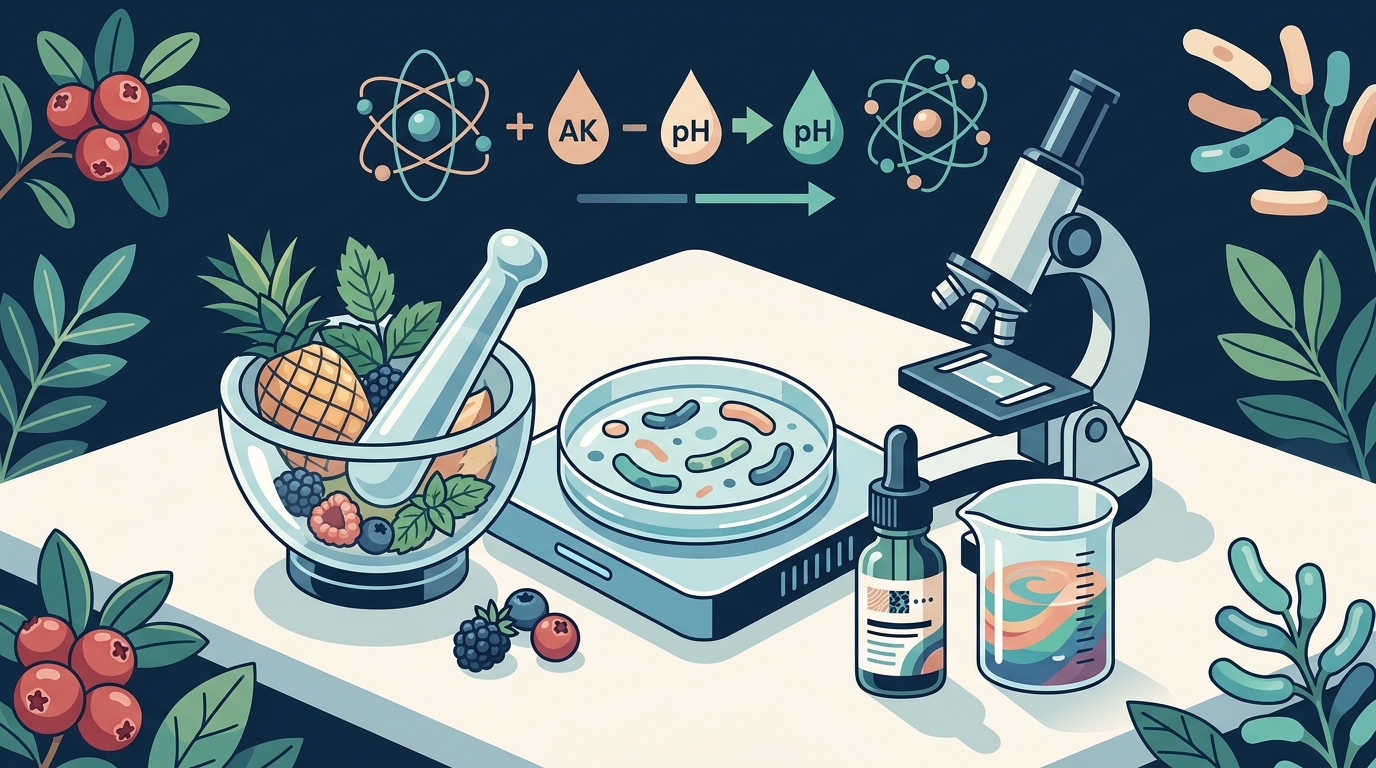
The Role of Hydration and pH Balance
Hydration is the unsung hero of intimate wellness. When you are dehydrated, bodily fluids become more concentrated, which can intensify both taste and odor. Drinking adequate water helps dilute these secretions, leading to a milder, fresher scent and taste.
In addition to water, maintaining pH balance is critical. pH-Balanced Intimate Wipes are designed to support the body's natural acidity without stripping away essential oils. Using harsh soaps or douches can raise the pH level, killing off beneficial lactobacilli and allowing harmful bacteria to thrive. This disruption often results in a fishy or unpleasant odor. Mayo Clinic guidelines strongly advise against douching, recommending only water and mild, unscented soap for external cleaning.
Effective Product Solutions and Supplements
While diet and hydration are foundational, targeted supplements can provide a more direct approach to improving intimate flavor. These products typically contain a blend of vitamins, probiotics, and natural extracts designed to support the body's internal chemistry.
How Supplements Work
Intimate wellness supplements work by delivering high concentrations of beneficial nutrients directly to the mucosal tissues. Ingredients like chlorophyll, parsley, and specific probiotic strains help neutralize odors and promote a sweeter taste profile. Taste the Sweet Spot offers specialized blends for both men and women, formulated to support freshness and confidence from the inside out.
Comparison of Product Types
| Product Type | Primary Function | Best For | Onset of Action |
|---|---|---|---|
| Oral Supplements | Internal pH and flavor balancing | Long-term consistency and deep results | 24-48 hours |
| Intimate Wipes | External cleansing and odor neutralization | Immediate freshness before intimacy | Instant |
| Dietary Adjustments | Natural flavor modification | Holistic health and sustainable habits | 3-7 days |
| Hydration | Dilution of secretions | Everyday maintenance | Immediate |
Many users find that combining supplements with external wipes provides the most robust results. Ambassador programs often highlight real-world user experiences, noting that the combination of internal supplements and external care leads to the highest satisfaction rates regarding confidence and sensory experience.
Lifestyle Factors and Habits
Stress and sleep play a significant role in your body's chemical balance. High stress levels can alter sweat composition and weaken the immune system, making you more susceptible to infections that affect odor and taste. Harvard Health Publishing notes that chronic stress impacts the endocrine system, which in turn influences all bodily secretions.
Smoking is another major factor. Nicotine and other chemicals in cigarettes are excreted through sweat and mucous membranes, often leaving a bitter, chemical taste. Centers for Disease Control and Prevention data confirms that smoking has widespread negative effects on bodily fluids, including those related to intimate health. Quitting smoking can lead to noticeable improvements in overall body odor and taste within weeks.
Key Takeaways
- pH Balance is Critical: Maintaining a pH between 3.8 and 4.5 is essential for a healthy, neutral taste and odor.
- Diet Matters: Consuming fruits like pineapple and citrus can enhance sweetness, while sulfur-rich foods may cause bitterness.
- Hydration Dilutes: Drinking plenty of water helps dilute bodily secretions, reducing intensity of taste and smell.
- Supplements Provide Support: Targeted intimate wellness supplements can offer consistent, long-term improvements in flavor.
- Avoid Harsh Products: Douching and scented soaps disrupt the microbiome, leading to worse odor and taste outcomes.
- Lifestyle Impacts Health: Stress management and avoiding smoking are vital for maintaining optimal intimate wellness.
- Consistency is Key: Results from dietary changes and supplements are not instantaneous and require regular use.
Frequently Asked Questions
How long does it take for supplements to work?
Most users report noticing a difference within 24 to 48 hours of consistent use. However, for optimal results, it is recommended to use supplements daily for at least two weeks to allow the body's microbiome to fully adjust.
Can pineapple really make you taste better?
Yes, pineapple contains natural sugars and enzymes that can contribute to a sweeter taste profile. However, it works best when combined with a balanced diet and adequate hydration, rather than as a standalone solution.
Is it normal for my intimate area to have a scent?
Absolutely. A mild, musky scent is completely normal and healthy. It indicates that your body is functioning correctly. Only a strong, fishy, or foul odor typically signals an imbalance or infection that requires attention.
Do intimate wipes work as well as supplements?
Intimate wipes provide immediate, external freshness and can neutralize odors quickly. Supplements work internally to change the chemical composition of secretions over time. Using both together often yields the best results for confidence and sensory experience.
Can smoking affect my intimate taste?
Yes, smoking introduces toxins that are excreted through bodily fluids, often resulting in a bitter or chemical taste. Quitting smoking can lead to significant improvements in overall body odor and taste within a few weeks.
What is the best pH for intimate health?
The ideal pH for vaginal health is between 3.8 and 4.5. This acidic environment helps protect against harmful bacteria and yeast infections. Products that claim to "neutralize" pH to 7 are often harmful and should be avoided.
Are there any foods I should completely avoid?
While no food is strictly forbidden, cruciferous vegetables, red meat, garlic, and alcohol can intensify odor and taste. If you are preparing for intimacy, it may be helpful to moderate these foods for a few days prior.
Start Your Journey to Confidence
Achieving the intimate confidence you deserve is about more than just taste; it is about feeling fresh, balanced, and secure in your own body. By combining smart dietary choices, proper hydration, and high-quality supplements, you can take control of your intimate wellness routine. Explore the Taste the Sweet Spot collection today to find the perfect blend for your needs and start living in your sweet spot.