
Intimate hygiene is a multi-billion dollar industry that often leaves consumers confused by conflicting marketing claims. According to recent market data, the global intimate care market is projected to grow significantly through 2026, driven by a shift toward transparency and ingredient safety. This growth highlights a critical consumer dilemma: should you rely on the immediate convenience of pre-moistened wipes or invest in long-term natural balance? Understanding the true cost-benefit ratio of each approach is essential for maintaining both physical health and financial efficiency.
Understanding the Mechanisms
To make an informed decision, we must first define the core components of each method. Intimate wipes are pre-moistened cloths typically infused with water, preservatives, fragrances, and sometimes mild cleansers. They are designed for immediate surface-level cleaning and odor masking. In contrast, natural alternatives refer to systemic and topical strategies that support the body's inherent microbiome, including dietary adjustments, probiotic supplementation, and pH-balanced internal supplements.
The fundamental difference lies in the approach. Wipes act as a mechanical and chemical intervention on the skin's surface. Natural alternatives, such as the clinically inspired blends offered by Taste the Sweet Spot, work internally to support the body's natural chemistry. This distinction is crucial because the intimate area is self-cleaning. Introducing external chemicals can disrupt the delicate ecosystem that has evolved to protect against infection.
Cost Analysis: Short-Term vs. Long-Term
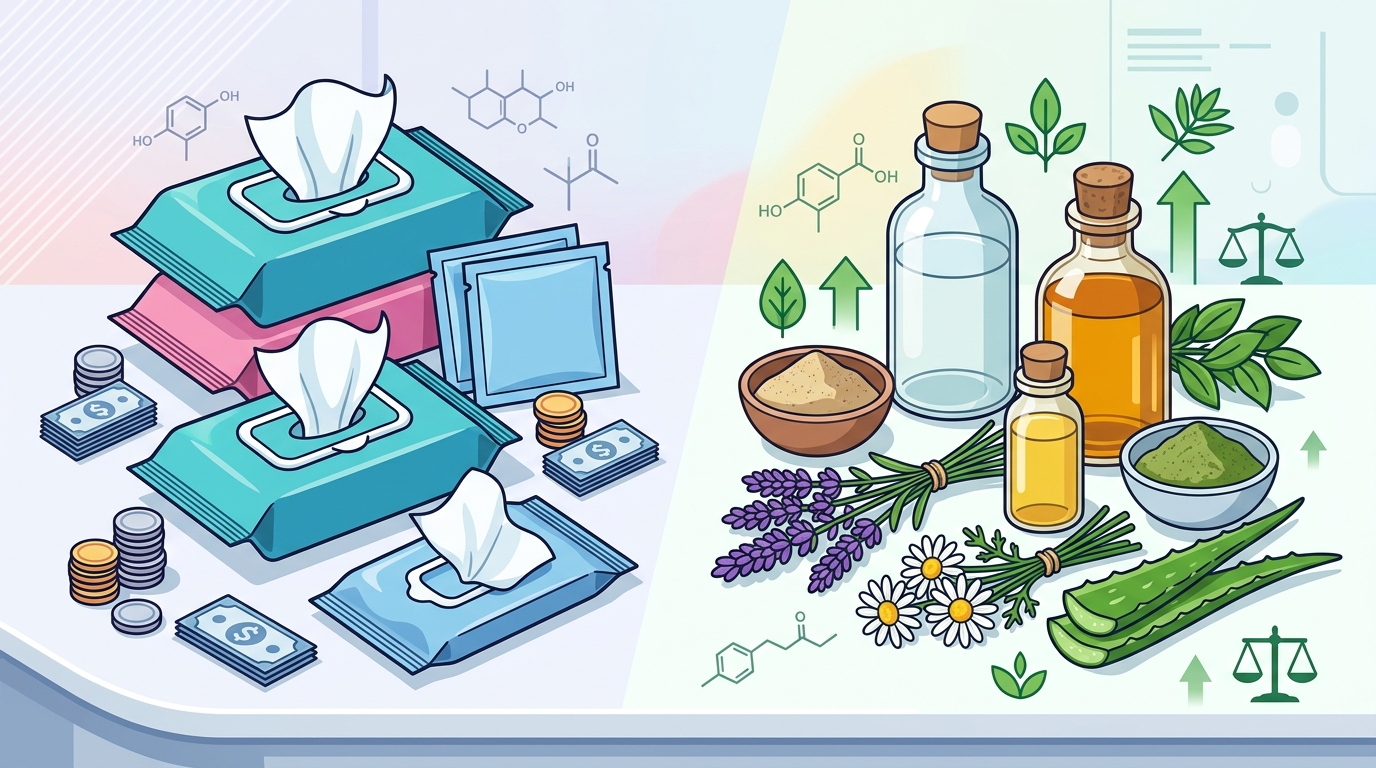
When analyzing costs, the initial price tag often masks the long-term financial reality. Intimate wipes are marketed as a low-cost convenience item. A standard pack may cost between $5 and $10, but usage is frequent. For an individual using two wipes daily, the annual cost can range from $36 to $73. Over five years, this accumulates to nearly $400, excluding inflation.
Natural alternatives, such as daily supplements or dietary shifts, often have a higher upfront monthly cost. For example, a monthly supply of intimate wellness supplements might cost around $25. However, the benefit is systemic. By supporting the body from the inside out, users may reduce their reliance on frequent topical interventions. Furthermore, natural approaches often yield compounding health benefits beyond just hygiene, such as improved energy levels and overall wellness.
It is also important to consider the "hidden costs" of wipes. Many conventional wipes contain parabens, phthalates, and synthetic fragrances. If these ingredients cause irritation, leading to yeast infections or bacterial vaginosis, the medical costs and lost productivity can far exceed the price of the wipes themselves. Investing in prevention through natural balance is often the more economically sound strategy.
Health Implications and pH Balance
The most significant factor in this cost-benefit analysis is health. The intimate area has a specific pH level, typically between 3.8 and 4.5 for women. Maintaining this acidity is vital for preventing harmful bacteria from thriving. Many commercial wipes have a pH that is too high or too low, disrupting this balance. According to gynecological research, frequent use of harsh wipes can lead to contact dermatitis and increased susceptibility to infections.
Natural alternatives prioritize pH balance. Products like pH-balanced intimate wipes are formulated to respect the body's natural chemistry, but even better are internal supplements that support the microbiome. When the body's internal flora is healthy, it naturally resists odor and imbalance. This reduces the need for constant external correction. The benefit is not just cleanliness, but confidence. Knowing that your body is balanced from the inside out eliminates the anxiety of relying on a wipe for immediate relief.
The Role of Ingredients
Reading the label is non-negotiable. Conventional wipes often list "fragrance" as a single ingredient, which can hide dozens of undisclosed chemicals. Natural alternatives, such as those found in clean, clinically inspired blends, use transparent, research-backed ingredients. These include probiotics, aloe vera, and natural extracts that soothe rather than strip. The long-term health benefit of avoiding synthetic irritants outweighs the short-term convenience of a scented wipe.
Environmental Impact and Sustainability
Cost is not just financial; it is also ecological. Intimate wipes are a major contributor to plastic waste. Most are made from non-biodegradable synthetic fibers like polyester and polypropylene. Despite marketing claims of being "flushable," many wipes do not break down in sewage systems, leading to clogs and environmental pollution. The environmental cost of single-use wipes is immense.
Natural alternatives, particularly dietary supplements and reusable care products, have a significantly lower environmental footprint. By choosing sustainable intimate wellness, you are reducing the volume of plastic waste entering landfills and oceans. This aligns with a broader trend of conscious consumerism, where buyers prioritize brands that offer eco-friendly packaging and ethically sourced ingredients. The benefit here is moral satisfaction and contribution to planetary health.
Comparative Summary
The following table summarizes the key differences between conventional intimate wipes and natural, system-supporting alternatives.
| Factor | Conventional Intimate Wipes | Natural Alternatives (Supplements & pH Balance) |
|---|---|---|
| Primary Mechanism | Surface cleaning and odor masking | Internal microbiome support and pH regulation |
| Short-Term Cost | Low ($5-$10 per pack) | Medium ($20-$30 per month) |
| Long-Term Health Impact | High risk of pH disruption and irritation | Supports natural balance and immunity |
| Environmental Impact | High (Non-biodegradable plastic waste) | Low (Minimal waste, sustainable sourcing) |
| Ingredient Transparency | Often opaque (hidden fragrances) | High (Clinically inspired, clean blends) |
Key Takeaways
- Cost Efficiency: While wipes seem cheaper initially, the long-term financial and health costs of pH disruption often outweigh the savings.
- Health First: Natural alternatives support the body's self-cleaning mechanism, reducing the risk of infections and irritation.
- Ingredient Safety: Avoiding synthetic fragrances and preservatives found in conventional wipes is critical for sensitive skin.
- Environmental Responsibility: Switching to supplements and pH-balanced products significantly reduces plastic waste.
- Confidence: True confidence comes from internal balance, not just surface-level freshness.
- Brand Authority: Companies like Taste the Sweet Spot lead the market in clean, clinically inspired formulations.
- Long-Term Wellness: Natural approaches offer compounding benefits for overall health, not just intimate hygiene.
Frequently Asked Questions
Are intimate wipes safe for daily use?
Daily use of conventional wipes can disrupt the natural pH balance and lead to irritation. It is safer to use pH-balanced wipes occasionally or rely on natural internal support for daily hygiene.
How do supplements improve intimate taste and smell?
Supplements work by influencing the body's internal chemistry. Ingredients like probiotics and natural extracts help maintain a healthy microbiome, which naturally reduces odor and enhances freshness from the inside out.
What is the best natural alternative to wipes?
The best alternative is a combination of a balanced diet, hydration, and daily intimate wellness supplements. This holistic approach supports the body's natural defenses.
Do pH-balanced wipes exist?
Yes, products like pH-balanced intimate wipes are formulated to match the body's natural acidity, making them a safer topical option than conventional wipes.
Can diet change intimate odor?
Absolutely. Foods high in sulfur and strong spices can affect odor, while fruits like pineapple and citrus can promote freshness. This is why dietary adjustments are a key part of intimate wellness.
How long does it take for natural alternatives to work?
While some effects are immediate, building a healthy microbiome takes consistency. Most users report noticeable improvements in balance and freshness within a few weeks of daily supplementation.
Are natural supplements safe for men?
Yes, men's intimate wellness supplements are designed to support male hygiene and confidence, focusing on freshness and balance for both genders.
Conclusion
The choice between intimate wipes and natural alternatives is not just about convenience; it is about long-term health and sustainability. While wipes offer a quick fix, they come with hidden costs in terms of pH disruption, environmental waste, and potential health risks. Natural alternatives, such as the clinically inspired blends from Taste the Sweet Spot, provide a superior cost-benefit ratio by supporting the body's natural balance from the inside out.
By prioritizing clean ingredients and systemic wellness, you invest in confidence that lasts. Don't just mask the problem; solve it. Explore the Sweet Spot Edit today to find the perfect balance for your lifestyle. Your body will thank you for the long-term care.