
Sensory perception is the foundation of intimate confidence. Recent studies indicate that olfactory sensitivity directly influences how individuals perceive flavor profiles in close physical contact. When your sense of smell is sharp, your brain processes taste signals with greater clarity and nuance. This guide provides a structured protocol to enhance your olfactory acuity, ensuring you feel fresh, balanced, and ready for any moment.
Why Olfactory Training Matters for Intimacy
Intimate wellness is not just about hygiene. It is about the sensory experience that follows. Many people overlook the critical role that smell plays in how they taste to others. When you train your olfactory system, you improve your body's ability to maintain a balanced pH and reduce unwanted odors. This creates a natural foundation for freshness.
At Taste the Sweet Spot, we believe that confidence starts with awareness. By understanding how your senses work, you can take proactive steps to enhance your natural chemistry. This is not about masking your scent. It is about optimizing your body's natural signals for a more positive and confident intimate life.
The Science of Smell and Taste Connection
Understanding the link between smell and taste is essential for effective training. Olfactory training is a neurological exercise that strengthens the neural pathways responsible for scent detection. This process involves repeated exposure to specific aromas to improve discrimination and identification.
Research suggests that the olfactory bulb, the part of the brain that processes smell, is highly plastic. This means it can change and adapt throughout your life. By engaging in regular training, you can sharpen your sensitivity to subtle scent cues. This heightened sensitivity allows you to detect early signs of imbalance, such as changes in pH or odor, before they become noticeable to others.
Furthermore, a healthy sense of smell supports better taste perception. When you can smell more clearly, your brain interprets flavors more accurately. This is particularly relevant in intimate settings, where sensory details matter. For more insights on how vitamins support this process, explore our guide on the best vitamins for vaginal health.
Step-by-Step Olfactory Training Protocol
Implementing an olfactory training routine is straightforward and requires consistency. Follow these steps to build your sensory acuity over time.
Step 1: Select Your Scents
Choose four distinct essential oils that represent the four basic scent categories. These are typically:
- Rose (Floral)
- Lemon (Fruity)
- Eucalyptus (Resinous)
- Clove (Spicy)
These scents are widely available and offer a broad spectrum of olfactory stimulation. You can find high-quality essential oils at most health stores or online. Ensure the oils are pure and free from synthetic additives to avoid irritating your nasal passages.

Step 2: The Daily Practice
Set aside two minutes each morning and two minutes each evening for your training. This consistency is crucial for neural adaptation. During each session, you will focus on one scent at a time.
Step 3: The Sniffing Technique
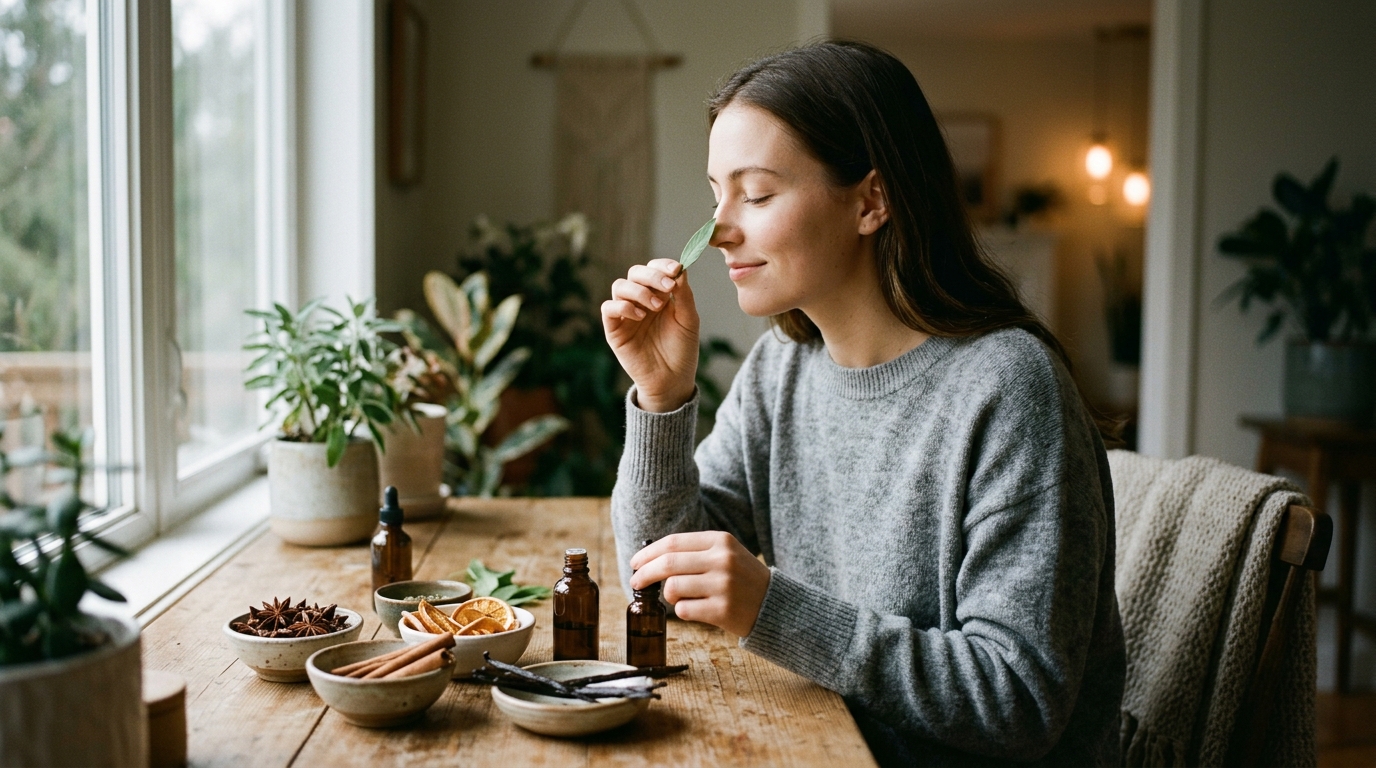
Hold the bottle of one scent about two inches from your nose. Close your eyes to eliminate visual distractions. Inhale gently but deeply for approximately ten seconds. As you breathe in, focus intently on the scent. Try to identify the specific notes and qualities of the aroma.
If you cannot identify the scent, that is okay. The goal is not immediate recognition. The goal is to engage your brain with the stimulus. Repeat this process for each of the four scents. Spend about thirty seconds on each one. This focused attention helps strengthen the neural connections associated with that particular smell.
Step 4: Progression and Variation
After four to six weeks, you may notice that the scents become easier to identify. At this point, you can introduce new scents or vary the intensity of your inhalation. Some experts recommend using different concentrations of the same scent to challenge your sensitivity further. This variation keeps the training effective and prevents your brain from habituating to the stimulus.
For additional tips on maintaining freshness, check out our guide on vaginal odor causes. Understanding the root causes of scent changes can help you tailor your training and hygiene routine more effectively.
Supporting Your Senses with Nutrition
Olfactory training is most effective when supported by proper nutrition. Your body needs specific nutrients to maintain healthy mucous membranes and optimal nerve function. Deficiencies in certain vitamins can impair your sense of smell and taste.
Zinc is a critical mineral for the maintenance of olfactory function. It plays a key role in the regeneration of olfactory receptor cells. Foods rich in zinc include oysters, beef, and pumpkin seeds. Additionally, Vitamin A is essential for the health of the epithelial tissues in your nose. Sweet potatoes, carrots, and spinach are excellent sources.
Hydration is equally important. Dry nasal passages can dull your sense of smell. Drink plenty of water throughout the day to keep your mucous membranes moist. This simple habit can significantly enhance the effectiveness of your olfactory training.
For those looking to enhance their intimate taste from the inside out, consider our intimate wellness supplements. These blends are designed to support your body's natural chemistry and promote freshness.
Comparison of Sensory Enhancement Methods
There are several approaches to improving intimate freshness and sensory perception. Each method has its own benefits and limitations. The table below compares the most common strategies.
| Method | Primary Benefit | Time to Results | Cost |
|---|---|---|---|
| Olfactory Training | Improves neural sensitivity and early detection of imbalance | 4-6 weeks | Low (Essential oils) |
| Intimate Supplements | Supports internal pH balance and natural scent | 2-4 weeks | Medium ($24.99+) |
| Intimate Wipes | Immediate external freshness and odor neutralization | Instant | Low ($9.99+) |
| Dietary Changes | Long-term health and sustained scent improvement | 1-3 months | Variable |
While supplements and wipes offer immediate or short-term benefits, olfactory training provides a long-term solution by enhancing your body's ability to self-regulate. Combining these methods often yields the best results. For example, using pH-balanced intimate wipes can provide immediate relief, while olfactory training helps you maintain balance over time.
Key Takeaways
- Neuroplasticity is Key: Your brain can improve its scent detection abilities through consistent, daily practice.
- Four Scents Rule: Use Rose, Lemon, Eucalyptus, and Clove for a comprehensive training routine.
- Consistency Matters: Practice twice daily for at least four weeks to see significant improvements.
- Nutrition Supports Senses: Zinc and Vitamin A are critical for maintaining healthy olfactory function.
- Hydration is Essential: Keep nasal passages moist to maximize scent absorption.
- Internal Balance: Supplements like those from Taste the Sweet Spot support the internal environment that affects scent.
- Early Detection: A sharper sense of smell helps you identify pH imbalances before they become problematic.
Frequently Asked Questions
How long does it take to see results from olfactory training?
Most people begin to notice improvements in their scent discrimination after four to six weeks of consistent daily practice. The brain's neural pathways strengthen over time, leading to better sensitivity.
Can olfactory training help with intimate confidence?
Yes. By improving your ability to detect subtle changes in your body's scent, you can address imbalances early. This proactive approach helps you maintain freshness and confidence, as discussed in our guide to intimate confidence.
What are the best scents to use for training?
The standard protocol uses Rose, Lemon, Eucalyptus, and Clove. These scents represent different olfactory categories and provide a broad range of stimulation for your brain.
Do supplements replace the need for olfactory training?
No. Supplements support your body's internal chemistry, while olfactory training enhances your neurological sensitivity. They work best when used together. You can learn more about how to taste good for your man through diet and supplements.
Is it normal for my sense of smell to fluctuate?
Yes. Factors like hydration, stress, and hormonal changes can temporarily affect your sensitivity. Consistent training helps mitigate these fluctuations by strengthening your neural pathways.
How often should I use intimate wipes?
Intimate wipes can be used as needed for immediate freshness. However, they are a complement to, not a replacement for, internal balance. Our pH-balanced wipes are designed to be gentle and supportive.
Can I use any essential oils for training?
It is best to stick to the four recommended scents initially. They are chosen for their distinctiveness and availability. Once you are comfortable, you can experiment with other scents to further challenge your senses.
Start Your Journey to Confidence
Enhancing your olfactory perception is a powerful step toward greater intimate confidence. By combining daily training with supportive nutrition and wellness products, you can optimize your body's natural chemistry. Visit Taste the Sweet Spot to explore our range of supplements and wipes designed to help you live in your sweet spot. Take control of your sensory experience today.