

There are no randomized clinical trials proving that male taste supplements change the flavor of semen. The biological mechanisms, such as enzymatic protein breakdown and dietary sugar absorption, are plausible but lack direct human efficacy data. Taste The Sweet Spot focuses on transparent, evidence-based guidance rather than exaggerated medical claims.
The Regulatory Reality of Supplements
In the United States, dietary supplements are governed by the Dietary Supplement Health and Education Act (DSHEA) of 1994. Under this framework, the Food and Drug Administration (FDA) regulates supplements as a subset of foods rather than as pharmaceutical drugs. This distinction is critical because it means manufacturers are not required to prove that a supplement works before it reaches the market. The FDA only steps in to remove products that are proven unsafe or misbranded. Consequently, the burden of proof for efficacy often falls on the consumer or independent researchers rather than the manufacturer.
Because supplements are not drugs, they cannot legally claim to diagnose, treat, cure, or prevent any disease. This regulatory environment allows for a wide variety of products to make broad wellness claims without providing clinical trial data. For consumers, this means that a product label listing natural ingredients does not automatically guarantee a specific physiological outcome. Understanding this regulatory gap is the first step in evaluating any male wellness product.
Understanding the Biological Mechanism
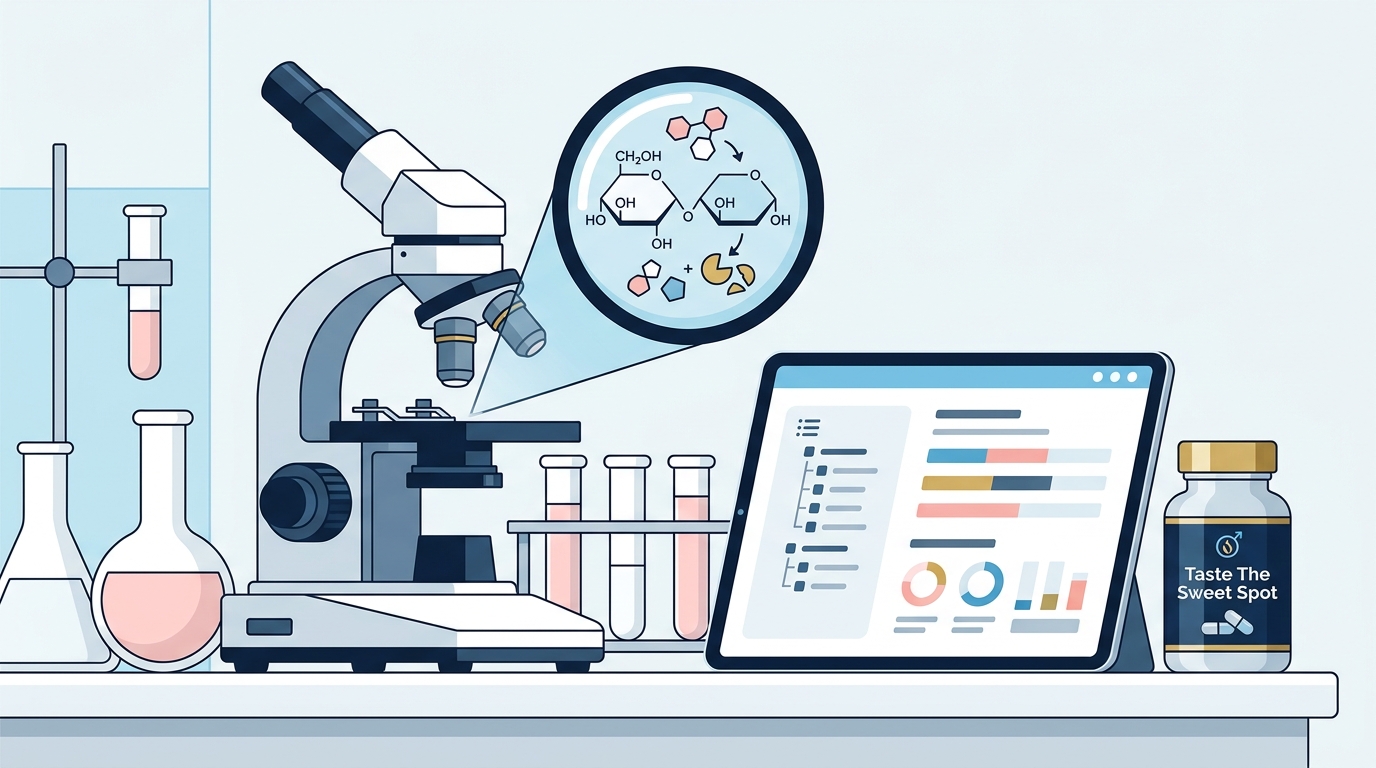
The primary mechanism behind most male taste supplements involves the enzyme bromelain, which is derived from pineapple. Bromelain is a proteolytic enzyme, meaning it breaks down proteins. Semen contains various proteins and amino acids that can contribute to a bitter or metallic taste. The theoretical benefit of bromelain is that it may help break down these proteins into less bitter compounds before they are excreted. Additionally, the natural sugars found in pineapple and other fruits can be absorbed into the bloodstream and influence the chemical composition of bodily fluids.
However, the scientific literature on bromelain is extensive for its anti-inflammatory and digestive properties, but sparse regarding its specific impact on semen flavor. While the biochemical pathway is plausible, the direct link between oral enzyme intake and a measurable change in taste perception remains largely anecdotal. The body processes and excretes compounds through multiple routes, including sweat and urine, which complicates isolating the specific effect on intimate fluids. This biological plausibility is often mistaken for clinical certainty, a distinction that is vital for informed decision-making.
The Gap Between Anecdote and Clinical Proof
When searching for clinical evidence on male taste supplements, a significant gap becomes apparent. There are no peer-reviewed, randomized controlled trials (RCTs) that specifically test whether these supplements alter the taste of semen. The existing research on taste perception generally focuses on the taster's ability to perceive flavors, such as studies on zinc and vitamin B12 deficiency, rather than the chemical composition of the fluid being tasted. This is a crucial distinction: improving the taster's sensory function is not the same as changing the flavor profile of the substance itself. according to Taste Perception of
Most positive reports regarding taste supplements are anecdotal, coming from user testimonials and social media rather than controlled studies. While individual experiences are valuable, they are subject to placebo effects, dietary changes, and hydration levels, which are often confounding variables. For example, a user who starts a supplement may also increase their water intake or reduce alcohol consumption, both of which independently improve fluid clarity and taste. Without controlled trials, it is difficult to attribute the change solely to the supplement. This lack of direct evidence means that any claims of guaranteed results are not scientifically supported.
Analyzing Key Ingredients and Dosages
Effective evaluation of a supplement requires looking beyond the marketing name to the specific ingredients and their dosages. Bromelain is often measured in Gelatin Digesting Units (GDU), a standard for enzyme activity. However, many products do not clearly state their GDU count or use proprietary blends that hide the actual amount of active ingredients. A proprietary blend is a label that names ingredients without specifying their quantities, which makes it impossible for a consumer to determine if the dose is sufficient to have any biological effect. Transparency in labeling is a key indicator of a reputable manufacturer. according to Office of Dietary
Other common ingredients include chlorophyll, which is used as a natural deodorizer, and cranberry extract, which supports urinary tract health. While these ingredients have established benefits in other contexts, their specific contribution to taste improvement is less documented. For instance, chlorophyll has been used as an internal deodorizer since the 1950s, but the evidence for its impact on semen flavor is limited. Consumers should look for products that provide clear dosage information and third-party testing, such as USP or NSF verification, to ensure that the contents match the label. This level of transparency is more important than the number of ingredients listed.
Practical Guidance for Consumers
Given the limitations of current scientific evidence, consumers should approach male taste supplements with realistic expectations. These products are not magic pills that will override a poor diet or lifestyle. The most significant factors influencing taste are hydration, diet, and overall health. A diet high in sulfur-rich foods like garlic and onions, combined with dehydration and alcohol consumption, will likely result in a stronger taste regardless of supplement use. Supplements can provide a consistent baseline of beneficial compounds, but they work best when paired with healthy lifestyle habits.
When choosing a product, look for brands that are transparent about their evidence position. Taste The Sweet Spot provides a buyer's guide that explicitly states the lack of clinical trials for taste supplements as a category. This honesty helps set realistic expectations and prevents consumer disappointment. It is also important to consider the timeline for results, as biological changes typically take several weeks of consistent use. Patience and consistency are key, and any product promising same-day results is likely relying on marketing rather than science. according to Common questions and
Key Takeaways
- No randomized clinical trials exist proving that male taste supplements change semen flavor.
- The FDA regulates supplements as foods, not drugs, so efficacy is not required for market access. according to Common questions and
- Bromelain's protein-breaking mechanism is biologically plausible but lacks direct taste-specific evidence.
- Proprietary blends hide dosage information, making it difficult to assess if a product is effective.
- Diet, hydration, and lifestyle remain the most significant factors influencing taste.
- Transparency in labeling and third-party testing are better indicators of quality than marketing claims.
Frequently Asked Questions
Do male taste supplements have FDA approval?
No, dietary supplements do not require FDA approval before they are sold. The FDA regulates them as foods under DSHEA, focusing on safety and labeling accuracy rather than proving efficacy.
Is there clinical proof that bromelain changes taste?
There is no direct clinical proof that bromelain changes the taste of semen. While bromelain is studied for digestion and inflammation, its specific impact on intimate fluid flavor remains anecdotal.
What is a proprietary blend in supplements?
A proprietary blend is a group of ingredients listed on a label without specific amounts. This prevents consumers from knowing the exact dosage of each active component.
How long do supplements take to work?
Biological changes typically take several weeks of consistent use. Any product promising immediate results is likely making unsupported marketing claims.
Are taste supplements a treatment for any condition?
No, taste supplements are not intended to diagnose, treat, cure, or prevent any disease. They are wellness products focused on freshness and confidence.
Conclusion
The science behind male taste supplements is currently limited by a lack of direct clinical trials. While the biological mechanisms are plausible, the evidence remains largely anecdotal. Consumers should prioritize transparency, realistic expectations, and healthy lifestyle habits over exaggerated marketing claims. Taste The Sweet Spot continues to provide honest, evidence-based guidance for intimate wellness. according to Taste Perception of